
Summary
Canadian tax residents generally need to report taxable income from Canadian and foreign sources.
Common taxable income includes employment income, self-employment income, investment income, rental income, pension income, taxable capital gains, and certain government benefits.
Some amounts are generally not taxable, such as most gifts, inheritances, lottery winnings, GST/HST credits, Canada Child Benefit payments, and most TFSA withdrawals.
Whether an amount is taxable can depend on the facts, so it is important to review unusual income, foreign income, business income, and one-time payments carefully.
Not All Money You Receive Is Taxable
A common tax question is simple: what income do I actually need to report in Canada?
The answer depends on the type of income, your tax residency, and the facts around the payment. Some amounts clearly need to be reported. Other amounts may be non-taxable. Some fall into a grey area and need a closer review.
CRA provides guidance on reporting different types of income, including employment income, self-employment income, pension income, investment income, benefit income, and taxable capital gains.
Employment Income
Employment income is one of the most common types of taxable income.
This usually includes:
- Salary
- Wages
- Bonuses
- Commissions
- Vacation pay
- Tips and gratuities
- Taxable employment benefits
Most employees receive a T4 slip from their employer. However, not receiving a slip does not necessarily mean the income is non-taxable. If you earned employment income, it generally needs to be reported.
Self-Employment and Business Income
If you are self-employed, a contractor, freelancer, consultant, or sole proprietor, your business income is generally taxable.
This can include income from:
- Consulting
- Contract work
- Freelance services
- Professional services
- Online business activities
- Trades or subcontracting
- Side businesses
- Gig work
Business owners can generally deduct reasonable business expenses incurred to earn income, subject to the tax rules. The net business income is then included in taxable income.
Self-employed individuals should also remember that they may have different filing deadlines, Canada Pension Plan obligations, GST/HST considerations, and instalment requirements.
Investment Income
Investment income is generally taxable unless it is earned inside a tax-sheltered or tax-preferred account.
Common examples include:
- Interest income
- Dividend income
- Taxable capital gains
- Mutual fund and exchange-traded fund distributions
- Foreign investment income
- Income from non-registered investment accounts
CRA specifically identifies interest, dividends, and capital gains as types of investment income that may need to be reported.
Investment income can be reported differently depending on the type of income. For example, interest, eligible dividends, non-eligible dividends, and capital gains each have different tax treatment.
Rental Income
Rental income is generally taxable.
This may include income from:
- A rental house
- A condominium
- A basement apartment
- A cottage or vacation property
- Short-term rental platforms
- Commercial property
Rental property owners may be able to deduct eligible expenses, such as mortgage interest, property taxes, insurance, repairs, utilities, and professional fees. However, the rules depend on the facts.
Rental property can also create capital gains tax issues when the property is sold or when there is a change in use.
Pension and Retirement Income
Many types of pension and retirement income are taxable.
This can include:
- Canada Pension Plan benefits
- Quebec Pension Plan benefits
- Old Age Security
- Registered Retirement Income Fund withdrawals
- Registered Retirement Savings Plan withdrawals
- Employer pension income
- Foreign pension income
CRA includes pension and savings plan income as income that may need to be reported on a Canadian tax return.
For retirees, the tax result can depend on total income, available credits, pension splitting, withholding tax, and whether any foreign pension income is involved.
Government Benefits
Some government benefits are taxable, while others are not.
CRA identifies benefit income, including Employment Insurance and other benefits, as a category of income that may need to be reported.
Examples of taxable benefits may include:
- Employment Insurance benefits
- Certain workers’ compensation or social assistance amounts, depending on reporting rules
- Certain COVID-19 or similar government support payments, depending on the program
- Other taxable government benefits shown on a slip
However, some benefits are generally not taxable, including GST/HST credit payments and Canada Child Benefit payments.
Foreign Income
Canadian tax residents generally need to report worldwide income. This can include income earned or received outside Canada.
Examples may include:
- Foreign employment income
- Foreign rental income
- Foreign pension income
- Foreign interest and dividends
- Foreign capital gains
- Foreign business income
CRA includes foreign employment income among the types of income that may need to be reported.
Foreign income usually needs to be converted to Canadian dollars. In some cases, foreign tax credits may be available if tax was paid to another country.
Foreign assets may also create separate reporting obligations, such as Form T1135, depending on the facts.
Capital Gains
A capital gain generally arises when you sell or are considered to have sold capital property for more than its adjusted cost base and selling costs.
Common assets that may generate capital gains include:
- Non-registered investments
- Rental properties
- Cottages
- Land
- Private company shares
- Certain foreign investments
- Cryptocurrency, where the transaction is on capital account
CRA identifies taxable capital gains as income that may need to be reported.
Capital gains are not taxed the same way as regular income. Only the taxable portion of the gain is included in income.
Amounts That Are Often Not Taxable
Not all amounts received need to be reported as taxable income.
CRA lists several non-taxable amounts that generally do not need to be reported, including:
- Lottery winnings, unless the prize is considered income from employment, business, property, or a prize for achievement
- Most gifts and inheritances
- GST/HST credit payments
- Canada Child Benefit payments
- Most amounts received from a life insurance policy following someone’s death
- Most types of strike pay from a union
- Most amounts received from a Tax-Free Savings Account
However, income earned on those amounts may be taxable. For example, CRA notes that if you invest lottery winnings, the interest earned on those winnings must be reported.
Common Mistakes
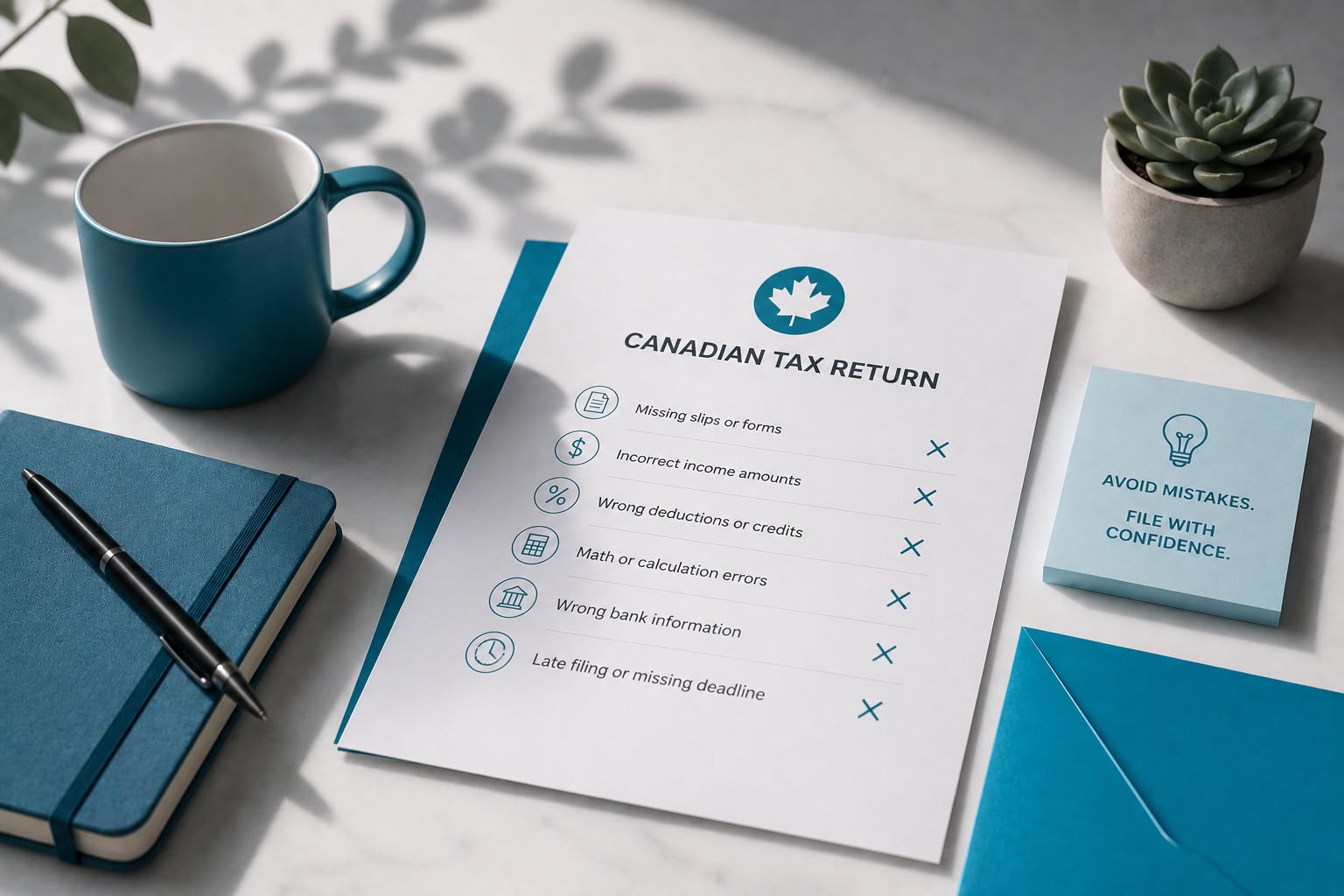
Common mistakes include:
- Assuming income is non-taxable because no tax slip was received
- Forgetting to report foreign income
- Not reporting tips or occasional earnings
- Treating business income as a casual payment
- Missing investment income from non-registered accounts
- Forgetting capital gains on sold investments
- Assuming all government benefits are tax-free
- Not reporting rental or short-term rental income
- Confusing total income, net income, and taxable income
These mistakes can lead to reassessments, interest, penalties, or delayed processing.
When Should You Get Advice?
You should consider speaking with a tax advisor if:
- You received income from outside Canada
- You are self-employed or have side income
- You sold investments, real estate, or cryptocurrency
- You received a large one-time payment
- You own rental property
- You received foreign pension or investment income
- You are unsure whether a government benefit is taxable
- You received income but did not receive a tax slip
- You moved into or out of Canada during the year
Taxable income is not always obvious. A short review can help avoid reporting errors and missed planning opportunities.
Final Thoughts
In Canada, taxable income can come from many sources, including employment, business activities, investments, rental properties, pensions, government benefits, capital gains, and foreign income.
At the same time, some amounts are not taxable, such as most gifts, inheritances, lottery winnings, GST/HST credits, Canada Child Benefit payments, and most TFSA withdrawals.
If you are unsure whether an amount should be reported, Confectus can help review your income sources, identify reporting requirements, and ensure your tax return is prepared properly.
Canadian tax questions? Get expert guidance.
Whether you’re an individual, self-employed, or a business owner, we provide clear advice to help you make informed tax decisions.

This article is intended for general informational purposes only and does not constitute tax, accounting, legal, financial, or professional advice. The information may not apply to your specific situation, and rules or guidance may change over time. You should consult a qualified professional advisor before making decisions or taking action based on this information.