
Summary
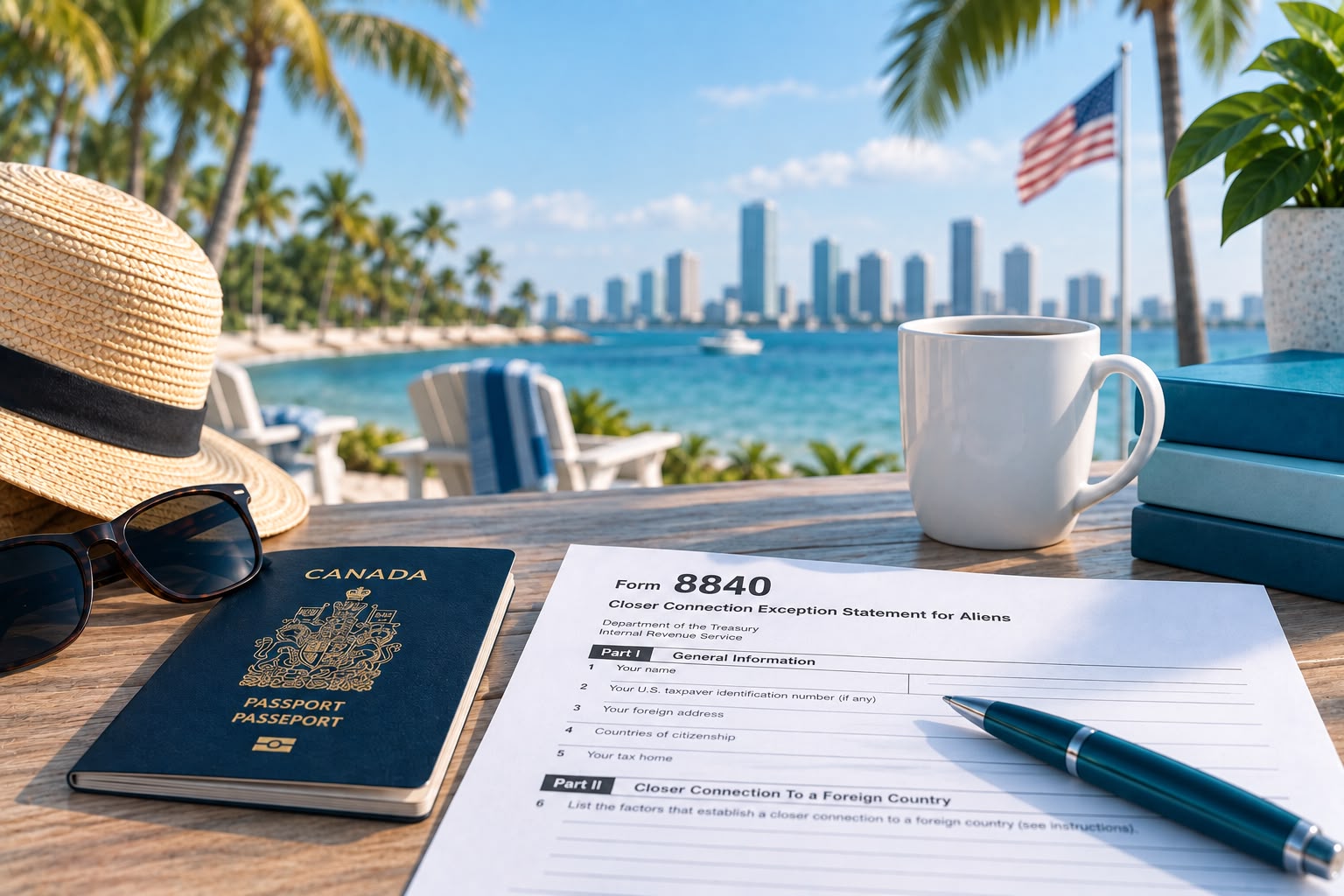
US citizens living in Canada may still need to file a US tax return and report worldwide income, even if all income is earned in Canada.
Filing in both Canada and the US does not always mean paying tax twice, as foreign tax credits and Canada-US treaty rules may help reduce double taxation.
US citizens in Canada may also have foreign reporting obligations, including FBAR and possibly Form 8938, depending on their Canadian accounts and asset values.
Cross-border tax advice is important if you have Canadian investments, registered accounts, a corporation, rental property, or missed prior-year US filings.
What Tax Filings Are Required?
If you are a US citizen living in Canada, you may still have US tax filing obligations even if you have lived in Canada for many years.
This surprises many people. Canada taxes Canadian tax residents on worldwide income, but the United States also generally requires US citizens and resident aliens abroad to file US tax returns and report worldwide income, subject to filing thresholds and available relief.
The good news is that filing a US tax return does not always mean you will owe US tax. Many US citizens in Canada can reduce or eliminate double taxation through foreign tax credits, treaty relief, or other US tax provisions. However, the filing requirements still need to be reviewed carefully.
Do US Citizens in Canada Need to File a US Tax Return?
In many cases, yes.
The IRS states that US citizens and resident aliens living abroad are generally subject to the same filing rules as taxpayers living in the United States. This means your income, filing status, and age help determine whether a US return is required.
A US citizen living in Canada may need to report income such as:
- Employment income
- Self-employment or business income
- Interest and dividends
- Capital gains
- Rental income
- Pension or retirement income
- Canadian investment income
- Certain tax-free or tax-preferred Canadian accounts
Even if most or all of your income is earned in Canada, it may still need to be considered for US tax filing purposes.
Will I Be Taxed Twice?
Not necessarily.
A common concern is that filing in both Canada and the United States means paying tax twice on the same income. In many cases, foreign tax credits help reduce double taxation by giving credit for tax paid to Canada.
The Canada-US tax treaty is also relevant in many cross-border situations. The treaty applies to residents of Canada, the United States, or both, and includes rules intended to address double taxation and allocate taxing rights between the two countries.
That said, treaty relief is not automatic in every case. The right approach depends on your income sources, residency status, citizenship, investment accounts, and filing history.
What About Canadian Tax Residency?
If you live in Canada, you may also be considered a Canadian tax resident.
CRA determines residency based on the facts, including residential ties with Canada, length of stay, purpose of stay, and continuity of your life in Canada. Canadian residents are generally taxable in Canada on worldwide income. CRA’s residency folio also notes that residents of Canada are generally subject to Canadian tax on worldwide income, while non-residents are generally taxed on Canadian-source income.
For US citizens in Canada, this can create a dual filing situation:
- A Canadian tax return because you are resident in Canada
- A US tax return because you are a US citizen
- Possible foreign reporting forms in one or both countries
This is why cross-border tax coordination is important.
Foreign Account Reporting: FBAR and Form 8938
US citizens in Canada often have Canadian bank accounts, investment accounts, registered plans, or signing authority over business accounts.
One important form is the FBAR, formally FinCEN Form 114. A US person generally must file an FBAR if they have a financial interest in, or signature authority over, foreign financial accounts and the combined value of those accounts exceeds US $10,000 at any time during the year.
This threshold is based on the total value of all foreign accounts combined, not each account separately. The FBAR is filed separately from the US income tax return.
Some taxpayers may also need to file Form 8938, Statement of Specified Foreign Financial Assets, depending on the type and value of their foreign financial assets. The IRS notes that US citizens and residents abroad may be required to file Form 8938 if they meet the applicable thresholds.
FBAR reporting can apply even if the account did not earn income.
Common Issues for US Citizens Living in Canada
US citizens in Canada should be especially careful with:
- Canadian Tax-Free Savings Accounts
- Registered Education Savings Plans
- First Home Savings Accounts
- Canadian mutual funds, exchange-traded funds, and pooled investments
- Canadian corporations or partnerships
- Rental properties
- Self-employment income
- Stock options or equity compensation
- Missed US tax filings or missed FBAR filings
Some Canadian accounts that are simple from a Canadian tax perspective can create additional US reporting or tax complexity.
What If I Have Not Filed US Tax Returns?
If you are a US citizen in Canada and have not filed US tax returns for several years, you should not ignore the issue.
Depending on the facts, there may be options to become compliant. The best path depends on whether the missed filings were non-willful, whether tax is owing, whether foreign reporting forms were missed, and whether you have received any correspondence from the IRS.
Before filing late returns or amended returns, it is usually better to get cross-border tax advice so the filing strategy is handled properly.
When Should You Get Professional Advice?
You should consider speaking with a cross-border tax advisor if:
- You are a US citizen or dual citizen living in Canada
- You recently moved from the United States to Canada
- You have not filed US tax returns for prior years
- You have Canadian investment accounts or registered plans
- You own a Canadian corporation
- You have rental property or business income
- You received a letter from the IRS or CRA
- You are unsure whether FBAR or Form 8938 applies to you
Cross-border tax is highly fact-specific. A small difference in residency, account type, ownership, or filing history can change the answer.
Final Thoughts
US citizens living in Canada often have tax obligations in both countries. Filing in both Canada and the United States does not always mean double tax, but it does mean the filings need to be coordinated carefully.
If you are a US citizen in Canada, Confectus can help you review your Canadian and US filing obligations, identify foreign reporting requirements, and develop a clear plan to stay compliant.
Canada-U.S. tax situation? Get clarity before you act.
Whether you are moving, investing, filing in two countries, or catching up on past obligations, we can help you understand your next step.

This article is intended for general informational purposes only and does not constitute tax, accounting, legal, financial, or professional advice. The information may not apply to your specific situation, and rules or guidance may change over time. You should consult a qualified professional advisor before making decisions or taking action based on this information.