
Summary
T1135 is a Canadian foreign reporting form that may apply to Canadian residents who own specified foreign property with a total cost amount over CAD $100,000 at any time in the year.
FBAR is a US foreign account reporting form that may apply to US persons with foreign financial accounts exceeding US $10,000 in total value at any time during the year.
Form 8938 is a US tax form used to report specified foreign financial assets if the applicable reporting threshold is met.
In cross-border situations, more than one form may apply, so it is important to review your residency, citizenship, account ownership, and asset values carefully.
Foreign Reporting Forms Can Be Confusing
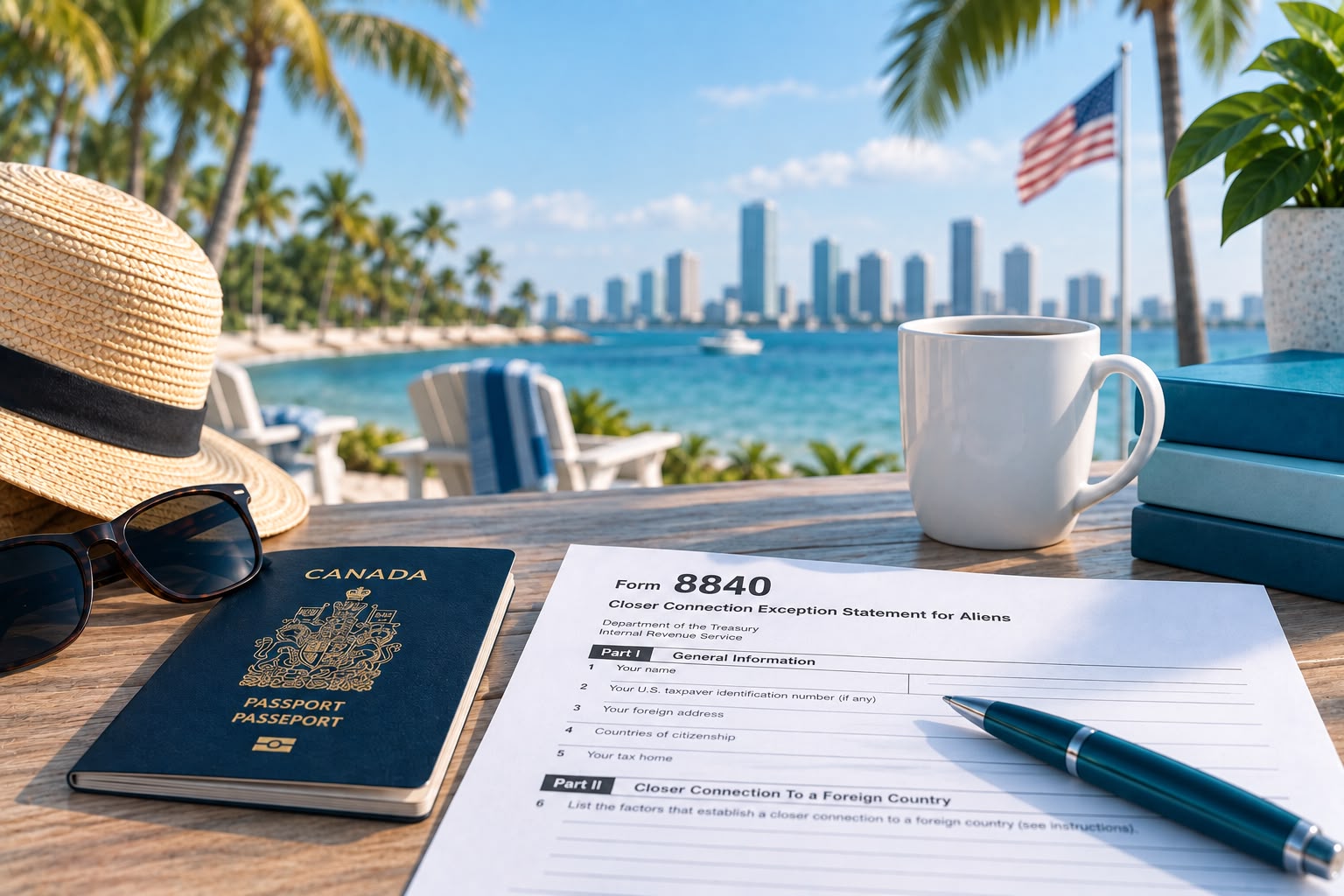
If you live in Canada and have foreign accounts, investments, or assets, you may have heard of forms like T1135, FBAR, and Form 8938.
These forms are often confused, but they are not the same. Some apply under Canadian tax rules. Others apply under US rules. In some Canada-US situations, a taxpayer may need to consider more than one form.
Understanding the difference is important because foreign reporting forms are usually separate from whether additional tax is owing. In many cases, these are information reporting forms, but missing them can still create compliance issues.
What Is Form T1135?
Form T1135, Foreign Income Verification Statement, is a Canadian reporting form.
Canadian resident individuals, corporations, and certain trusts generally must file Form T1135 if, at any time during the year, they own specified foreign property with a total cost amount of more than CAD $100,000. Certain partnerships may also have a T1135 filing requirement.
Specified foreign property may include items such as:
- Funds held outside Canada
- Shares of non-resident corporations
- Certain foreign investment accounts
- Certain foreign rental or investment real estate
- Debt owed by non-residents
- Interests in certain non-resident trusts
However, not all foreign property is reportable. CRA notes that specified foreign property does not include certain excluded property, such as personal-use property or property used exclusively in carrying on an active business.
For individuals, corporations, and trusts, Form T1135 is generally due on the same date as the income tax return.
What Is FBAR?
FBAR stands for Report of Foreign Bank and Financial Accounts. It is filed using FinCEN Form 114.
A US person, including a US citizen, resident, corporation, partnership, limited liability company, trust, or estate, generally must file an FBAR if they have a financial interest in, or signature authority over, foreign financial accounts and the total value of those accounts exceeds US $10,000 at any time during the calendar year.
For FBAR purposes, foreign financial accounts can include accounts such as:
- Bank accounts
- Brokerage accounts
- Securities accounts
- Mutual fund accounts
- Certain other financial accounts outside the United States
Importantly, the IRS states that whether the account produced taxable income does not affect whether the account is considered a foreign financial account for FBAR purposes.
The FBAR is not filed with a US income tax return. It is filed electronically through the Bank Secrecy Act filing system.
What Is Form 8938?
Form 8938, Statement of Specified Foreign Financial Assets, is a US tax form used to report certain foreign financial assets to the IRS when the taxpayer meets the applicable reporting threshold. It is attached to the taxpayer’s US income tax return when required.
For US citizens living in Canada, Form 8938 may apply if the total value of specified foreign financial assets exceeds the relevant threshold. For taxpayers living abroad, the thresholds are generally higher than for taxpayers living in the United States. The IRS notes that higher asset thresholds apply to taxpayers who file jointly or reside abroad.
Specified foreign financial assets can include:
- Foreign bank and investment accounts
- Foreign stocks or securities held outside a financial account
- Interests in foreign corporations, partnerships, or other entities
- Foreign retirement plans or deferred compensation arrangements
- Certain foreign insurance or annuity contracts with cash value
For specified individuals living abroad, common Form 8938 thresholds are often described as:
- Single or married filing separately: more than US $200,000 on the last day of the year, or more than US $300,000 at any time during the year
- Married filing jointly: more than US $400,000 on the last day of the year, or more than US $600,000 at any time during the year
Form 8938 is separate from FBAR. Filing one does not automatically replace the other if both forms are required.
Can More Than One Form Apply?
Yes. This is where cross-border reporting can become confusing.
For example, a US citizen living in Canada may have:
- Canadian bank accounts
- Canadian investment accounts
- A Tax-Free Savings Account
- A Registered Education Savings Plan
- Foreign investments outside Canada and the US
Depending on the facts, that person may need to consider US reporting forms such as FBAR and Form 8938. If that person is also a Canadian tax resident with specified foreign property over the CAD $100,000 threshold, Form T1135 may also need to be considered.
The right answer depends on the person’s tax residency, citizenship, account types, asset values, ownership structure, and filing history.
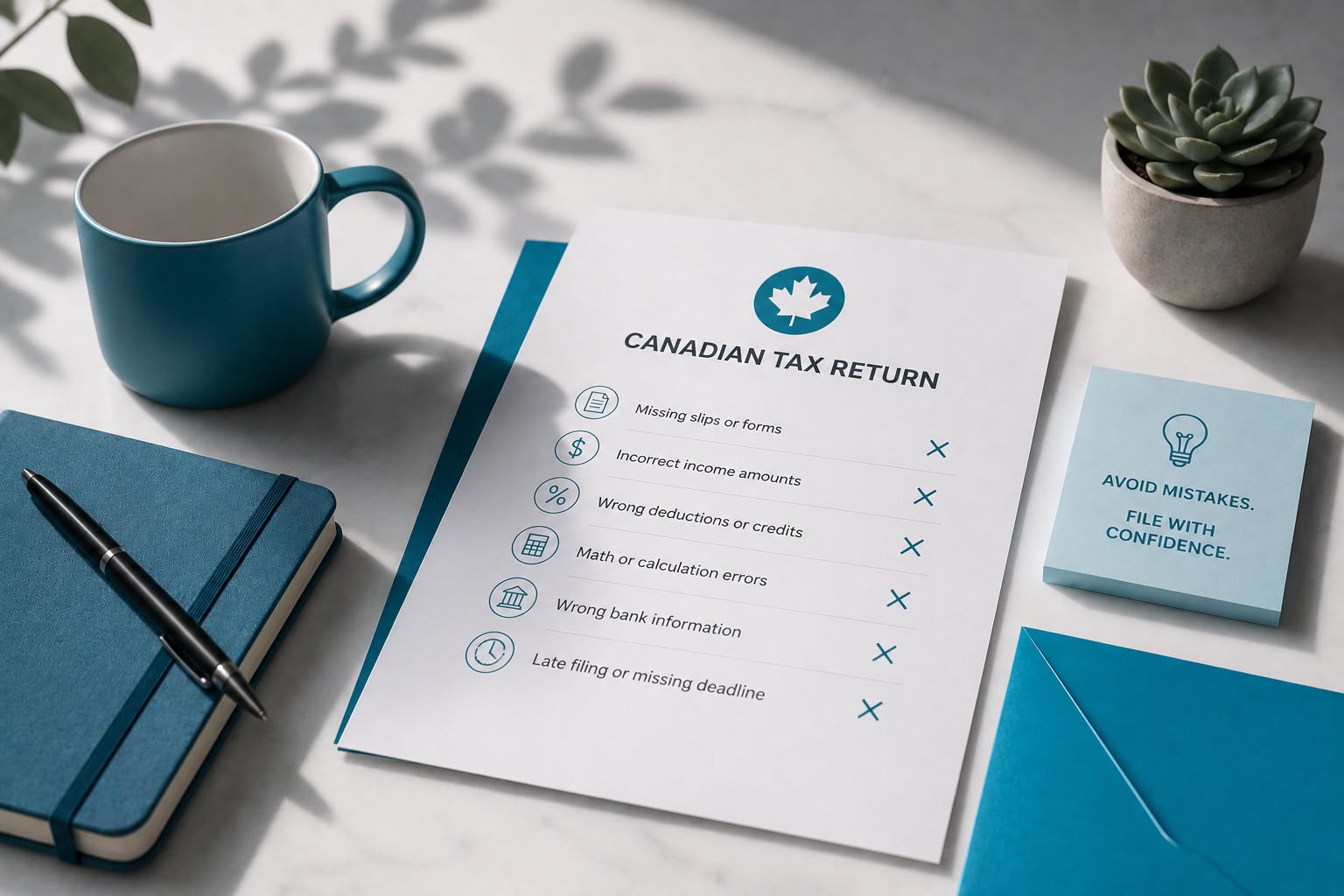
Common Mistakes
Some common mistakes include:
- Assuming foreign reporting only matters if tax is owing
- Looking only at year-end balances instead of the highest value during the year
- Forgetting about joint accounts
- Forgetting about accounts with signing authority
- Assuming Canadian registered accounts have the same treatment in the US
- Confusing T1135, FBAR, and Form 8938
- Missing forms because the assets did not generate income
These mistakes can be costly, especially where the issue continues for more than one year.
When Should You Get Advice?
You should consider speaking with a cross-border tax advisor if:
- You are a US citizen or green card holder living in Canada
- You are a Canadian resident with foreign investments or accounts
- You have accounts in more than one country
- You own foreign rental property or foreign investment property
- You have signing authority over foreign business accounts
- You missed prior-year foreign reporting forms
- You are unsure whether your Canadian accounts need to be reported in the US
Foreign reporting is highly fact-specific. Small differences in account type, ownership, residency, or asset value can change the filing requirements.
Final Thoughts
T1135, FBAR, and Form 8938 are often discussed together, but they serve different purposes and apply under different rules.
For Canadian residents, T1135 is a Canadian foreign reporting form. For US persons, FBAR and Form 8938 are US foreign reporting forms. In Canada-US situations, more than one form may need to be reviewed.
If you are unsure which foreign reporting forms apply to you, Confectus can help review your accounts, assets, and filing history so you can understand your obligations and take the next step with confidence.
Canada-U.S. tax situation? Get clarity before you act.
Whether you are moving, investing, filing in two countries, or catching up on past obligations, we can help you understand your next step.

This article is intended for general informational purposes only and does not constitute tax, accounting, legal, financial, or professional advice. The information may not apply to your specific situation, and rules or guidance may change over time. You should consult a qualified professional advisor before making decisions or taking action based on this information.